 FrostSECURITY ALARMS
Mail Us Oncontact@frostsecurityalarms.com
Request Quote
FrostSECURITY ALARMS
If you cannot see your topic, send a short note through the contact form. Describe your property type, pets, and what worries you most — a planner will reply with practical options rather than a script.
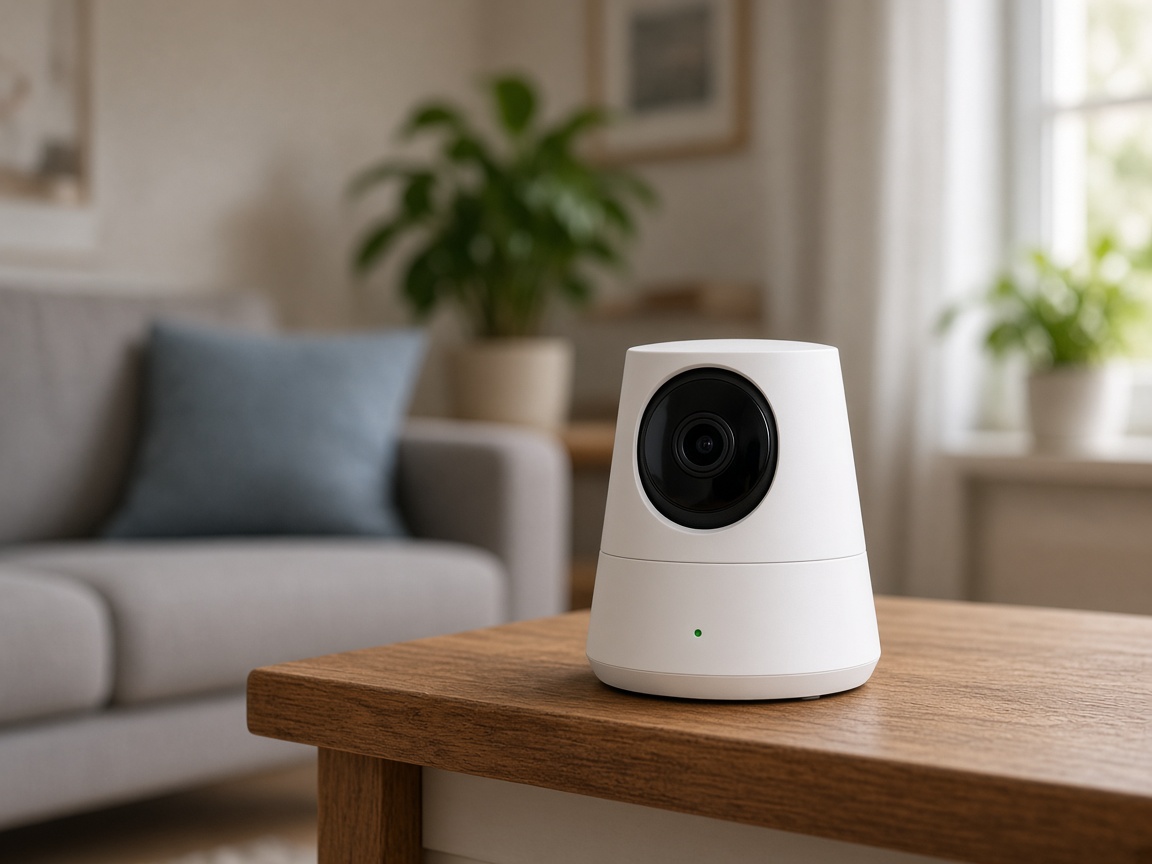
An alarm tells you something happened. A camera helps you understand what happened and often deters the attempt in the first place. Most households benefit from both: contacts and motion for instant noise, plus two or three cameras covering the approaches people actually use.
Pet-immune detectors ignore movement below a designed weight and height band when they are mounted correctly. We still ask about cats that climb bookshelves and dogs that sleep on sofas, because those habits change aiming. For very active pets we rely more on door contacts and cameras with animal filters.
Outdoor cameras can use dedicated wireless bridges, wired Ethernet, or a recorder that does not depend on the household router for recording. We never leave a critical camera on a fading guest network. During planning we test signal at the intended mount points.
Local recorders typically keep 14 to 60 days depending on camera count and resolution. Cloud backup is optional and quoted separately. We help you choose a retention window that matches how quickly you would notice a missing parcel or a damaged gate.
Yes. We create simple arm/disarm codes, optional geofenced reminders, and an app layout that hides advanced settings. Panic or emergency options can be limited to adults. Training is part of every install, not an extra booklet left on the kitchen counter.
No. We specify cameras for approaches, living areas you choose, and workspaces — never private washing or sleeping rooms. Indoor cameras can include privacy schedules or shutters for times when the household wants the lens covered.
Control panels include battery backup. Recorders and cameras can be placed on an uninterruptible supply if you want recording to continue. We explain exactly which parts of the system will still notify you if both power and household broadband drop at once.
Most compact homes are completed in a day; larger properties may take two. Expect drilling at mount points, brief Wi-Fi tests, and a walk-through. We protect floors, remove packaging, and do not leave live unlabelled wires overnight.
Absolutely. We plan cable routes and app accounts so later cameras join the same household login. Starting small is better than buying a bundle you will never arm correctly.
Physical keys or a keypad code remain available on the models we specify. The app is a convenience layer, not the only way into your own house. We demonstrate backup entry during handover.
We recommend a seasonal walk-test: open each protected door, walk the motion zones, check doorbell night snapshots, and confirm alerts still reach every adult. Optional care plans include that visit plus battery and firmware work.
A rough floor sketch, photos of the front and back of the property, notes on pets, and the three events you most want to catch (for example porch theft, night-time glass break, or an empty-house leak). Email is enough to start.